


What Does “Eating Whole Foods” Actually Mean?
What Does “Eating Whole Foods” Actually Mean?
“Eat more whole foods” sounds simple enough.
But somewhere along the way, eating well got complicated. Ingredient lists became something to decode, “processed” became a bad word, and grocery shopping started to feel like it required its own rulebook.
As a dietitian, I think we can make it a lot simpler.
So, what actually counts as a whole food?
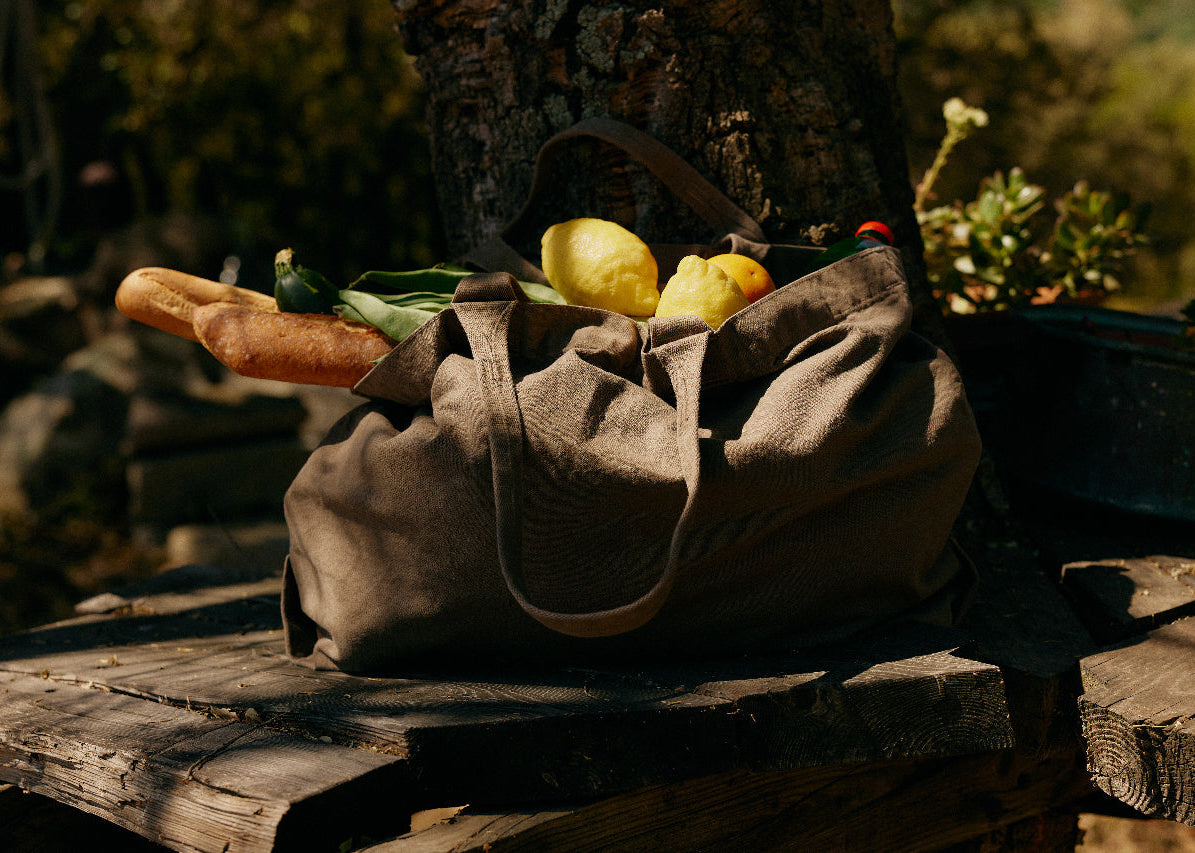
Whole foods are foods that are eaten in, or fairly close to, their original form. Think fruits and vegetables, whole grains, beans and lentils, nuts and seeds, eggs, fish, meat, dairy, herbs and spices.
But that doesn't mean everything else is automatically less nutritious.
Frozen vegetables are processed. Greek yogurt is processed. Olive oil is processed. Canned beans are processed. Bread is processed.
“Processed” simply means a food has been changed in some way from its original state. What matters more is what happened along the way, what was added, and what that food is bringing to your diet.
You don't need to eat everything straight from the ground.
Some amount of processing is what makes eating well realistic.
Frozen produce, canned beans, yogurt, hummus, pre-cut vegetables, roasted nuts and cooked grains can all make it easier to put together a good meal — and that's a good thing.
Rather than trying to decide whether every ingredient technically qualifies as a whole food, zoom out.
Does your meal give you a good mix of protein, fiber, carbohydrates, fats, vitamins and minerals? Does it satisfy you? Does it taste good?
Those questions tell you a lot more.
What does that look like on a plate?
There isn't a perfect formula, but I generally think about a meal in a few parts:
Protein
Chicken, fish, eggs, tofu, beans, lentils or another protein you enjoy.
Produce
Vegetables, fruit and plenty of variety across the week.
Carbohydrates
Rice, whole grains, potatoes, sweet potatoes, beans, fruit, bread — foods that give your body energy and, depending on the source, plenty of fiber and other nutrients too.
Fat
Olive oil, avocado, nuts, seeds and other quality sources of fat.
And then: make it taste good.
Fresh herbs, citrus, spices, sauces, something crunchy, a little acid, some heat.
Nutrition matters. But if you don't actually want to eat the meal, we've missed a pretty important part.
And yes, packaged foods are allowed.
This is where I think “whole-food eating” can get unnecessarily rigid.
Food doesn't become bad for you the second it comes in a package. Convenience has a place in a healthy diet — especially if it makes eating well easier on a busy Tuesday.
An ingredient list can give you useful information, but the number of ingredients isn't a health score. Look at the food as a whole: what does it provide nutritionally? How often are you eating it? What does the rest of your diet look like?
There is room for packaged food. There is room for dessert. There is room for dinner out.
None of those things undo the way you eat the rest of the time.
Think about adding before eliminating.
One of the simplest ways to eat more whole foods is to stop thinking so much about what needs to come out of your diet.
Instead, ask what you could add.
More vegetables. More plants. More fiber. More variety. More quality protein. More meals made from ingredients you recognize and actually enjoy.
A diet built mostly around whole and minimally processed foods tends to bring a lot of good things with it naturally — fiber, protein, vitamins, minerals and a wider variety of nutrients — without needing to micromanage every bite.
Keep it simple.
You don't need a perfect refrigerator. You don't need to make everything from scratch. And you definitely don't need another set of food rules.
Start with good ingredients. Build meals that are balanced and satisfying. Take the shortcuts that make sense for your life. And eat food you genuinely enjoy.
Because eating well only works if it works in your actual life.


Leave a comment
This site is protected by hCaptcha and the hCaptcha Privacy Policy and Terms of Service apply.